
The prospective bidders of Haldiram Snacks Foods (HSFPL), a leading food firm, have sought clarity on the ownership of the brand as it is currently owned by different family factions. The Delhi and Nagpur families have decided to merge their operations and formed a joint venture to sell part of their stake. On the other hand, the Kolkata family runs its separate, independent operations. Bankers said prospective bidders of the company do not want any confusion over the brand in future. They have sought clarity over usage of the brand.

Since 2008, the Bureau of Energy Efficiency is running a star rating programme, under which electric equipment are rated according to their efficiency. This in turn helps the consumers save electricity.
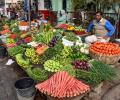
Increased production of pulses, oilseeds, and cereals will help boost domestic supplies and contribute to keeping inflation low in the coming months.

'Customers flocked to purchase gold in large numbers during the event.'

'We are seeing signs of improvement in rural overall in terms of demand, but I would still keep my fingers crossed.'
'The expeditious enactment of labour codes and strategic measures to bridge the skills jobs gap are critical.'

The Met department blamed the malfunctioning of sensors kept at the Automated Weather Station for the gaffe.

The rains after arriving over Kerala will quickly cover Tamil Nadu and Karnataka, but then might slacken a bit, which could delay its arrival over Northwest India.

High vegetable prices are expected to keep food inflation firm in the months to come.

'Although currently, urban areas contribute more to growth than rural, there is no reason why rural areas should not contribute.'

'Our target will come from rural areas as there are more outlets there.'

With rising incomes, education, and health awareness in India, especially in the big cities, droves of people are saying no to sugar.

The government has extended the interim approval given to plant protection companies for use of drones for spraying specified pesticides. The approval has been extended for one more year starting from April 18, 2024. All other terms and conditions for the use of drones for spraying plant protection chemicals including the standard operating procedures etc. will remain the same.

It is in more than a decade that the IMD has predicted 'above-normal' rains in the country.

The Food Safety and Standards Authority of India (FSSAI) has commissioned a quality check on MDH and Everest products. This follows complaints that several popular spice mixes of the two leading brands contained traces of ethylene oxide more than the permissible levels, official sources said. This move by FSSAI comes after Hong Kong and Singapore recalled variants of the two masala majors' products in their countries.
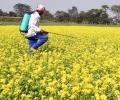
With farm Acts out of the picture, the government may look at reforming the input side of the agriculture sector - regulations and rules that govern seeds, fertilisers and plant chemicals. Sources said such a blueprint, which is aimed at making the life of farmers easier, with quicker approvals but not compromising on quality, is in the works as part of the 100-day agenda of Modi 3.0. Also, ways to administer fertiliser subsidy more effectively and cutting down on leakages and diversions to build on the success of neem-coated urea are being thought of.
Consumer goods firms and auto companies are witnessing an upturn in rural demand, which had been lagging for most of FY24. Expectations of a bumper rabi crop harvest have helped turn the tide. The Reserve Bank of India's (RBI's) Monetary Policy Committee kept the repo rate unchanged last week, noting that as rural demand catches up, consumption is expected to support economic growth in 2024-25.

The Bharatiya Janata Party (BJP) on Sunday pledged to make 30 million 'Lakhpati Didis', up from the 10 million rural women who have already achieved the feat. Prime Minister Narendra Modi on Sunday released the BJP's manifesto for the upcoming Lok Sabha elections. The manifesto says the ruling party will continue the quarterly financial disbursements under the Pradhan Mantri Kisan Samman Nidhi (PM KISAN) yojana.
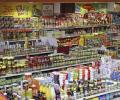
Fast-moving consumer goods (FMCG) companies anticipate sustained volume pressures in the January-March quarter (Q4) coupled with sluggish rural growth during the period. Brokerages estimate top-line growth to be in low single digits in the quarter. Also, the late onset of winter had an impact on demand for winter products which range from moisturisers to hot beverages.

Ahead of the seven-phase Lok Sabha elections, keeping food prices under check has emerged as one of the topmost priorities for the government. Food prices would likely have a bearing on the preferences of voters. In the past, there have been instances when governments have been voted out over rising food inflation.
 © 2026 Rediff.com - Advertise with us - Disclaimer - Privacy Policy - Sitemap - Feedback - About us - Terms of use - Grievances